A Fayetteville landmark since the 1840s
Meet Halebron
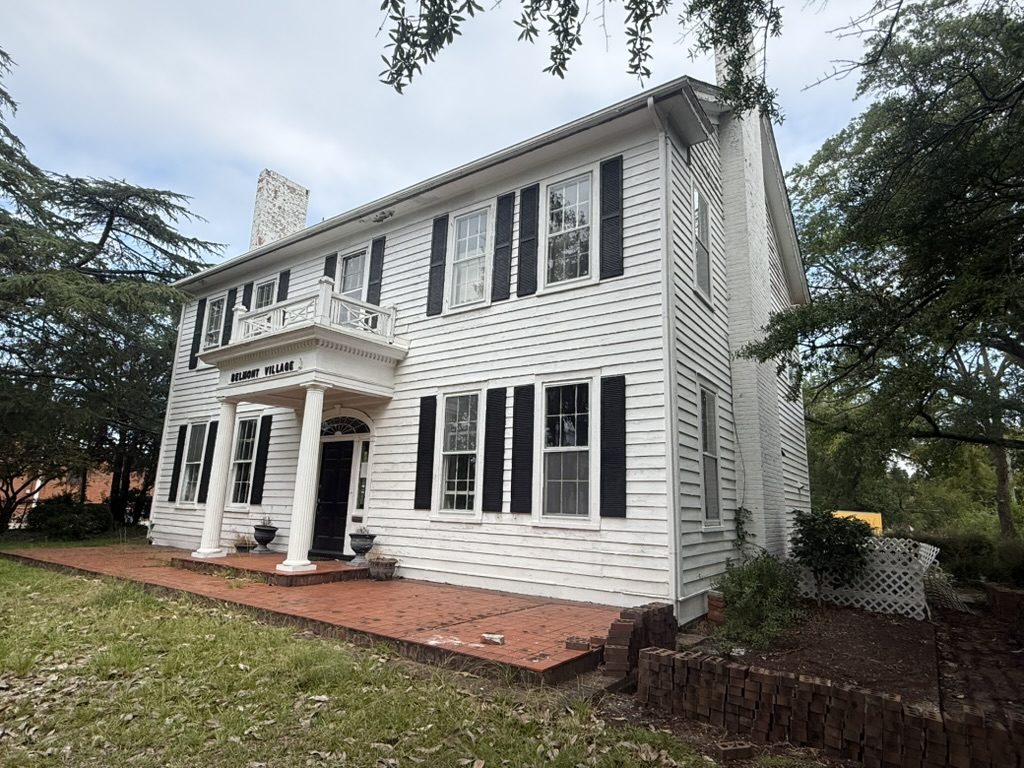
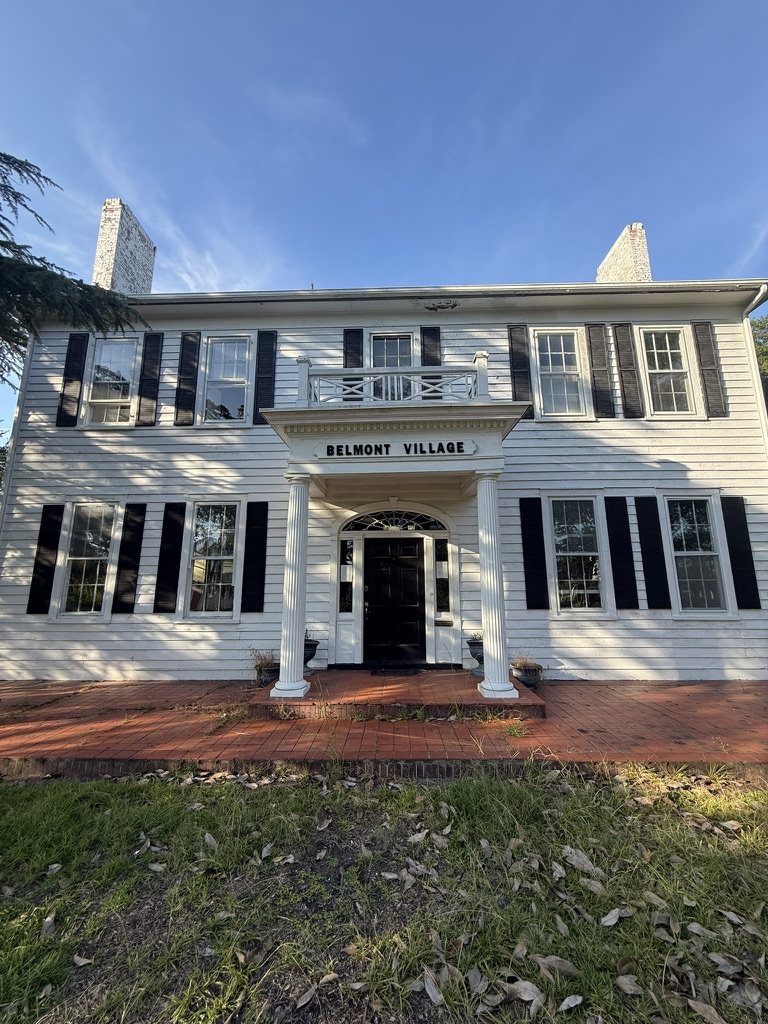
An 1840s house on Hay Street was set to be demolished. We're working to move it five blocks down the street instead.
Follow along on Instagram and Facebook. We're posting every step, from the public hearing to move day.
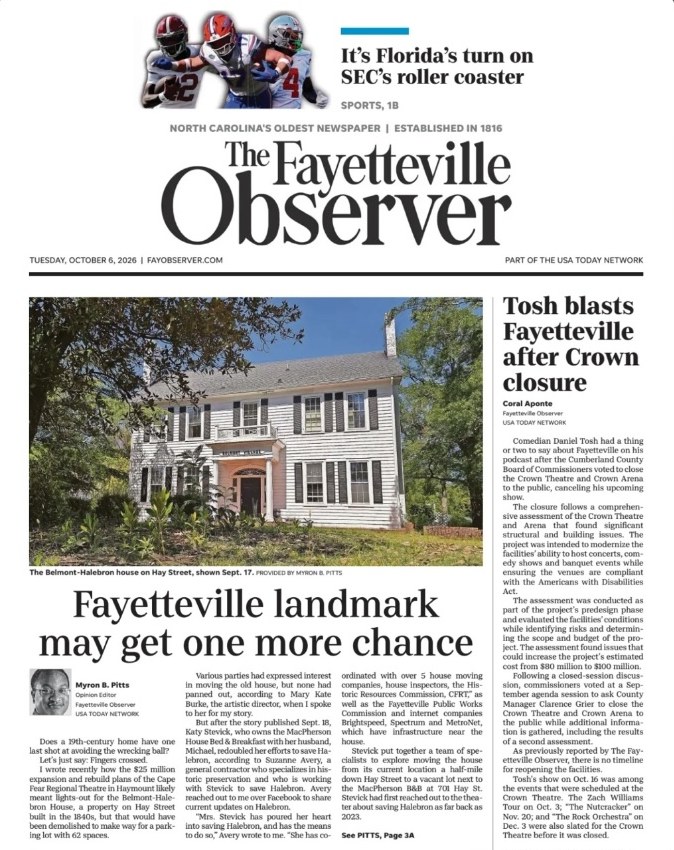
As seen on the front page
"Fayetteville landmark may get one more chance"
The Fayetteville Observer, October 6, 2026. Read the story or see all coverage.
Why this house matters
Halebron has watched over Hay Street since the 1840s.
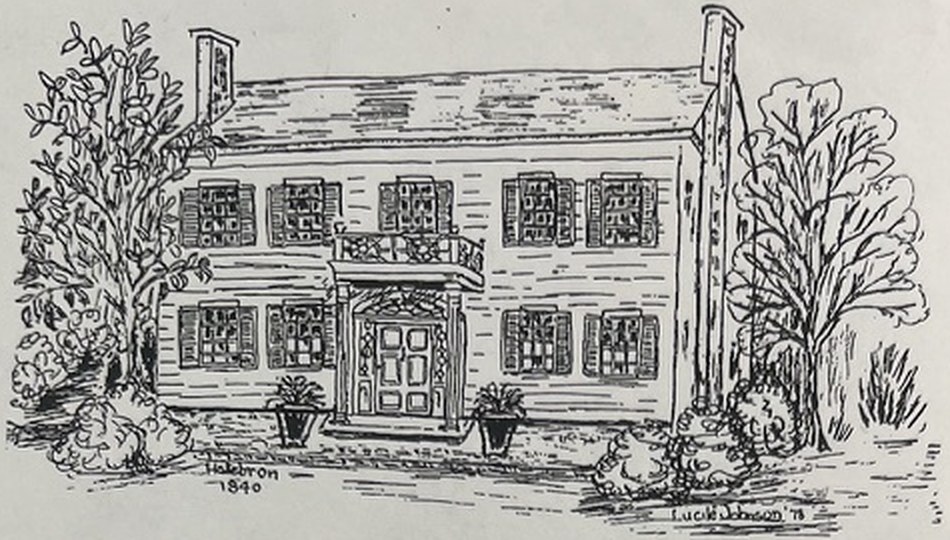
One of Haymount's oldest homes
Halebron dates to about 1840 and the "Village of Belmont," laid out by Capt. James A. J. Bradford, the West Point graduate who commanded the Fayetteville Arsenal. Arsenal Park, a few blocks away, is becoming North Carolina's History Center on the Civil War.
A name tied to the city's story
The house is named for Major E.J. Hale, son of Edward J. Hale, the longtime Fayetteville Observer editor whose press was burned on Sherman's orders.
A gathering place for neighbors
Many of you remember it as Belmont Village, with weddings downstairs, lunch every day, and little shops upstairs. After the move, it will be a place for people to gather again.
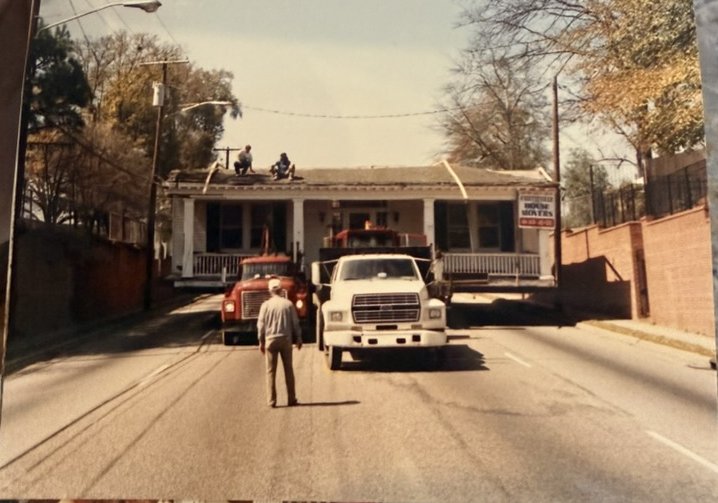
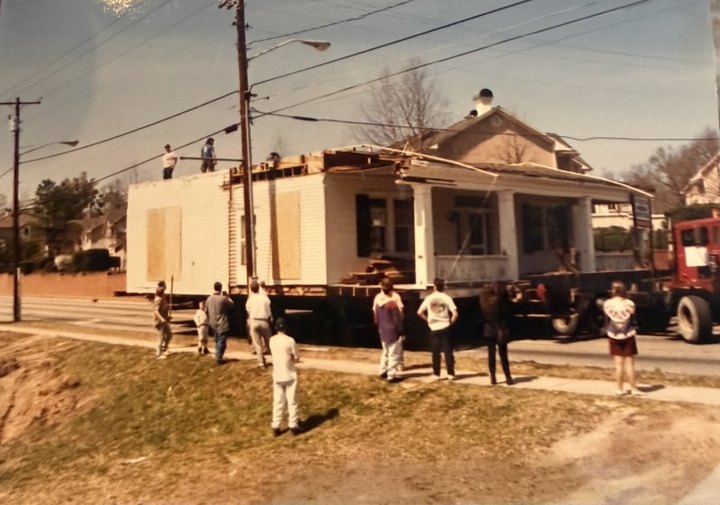
Who moves a house?
What? You're moving a house? Who does that?
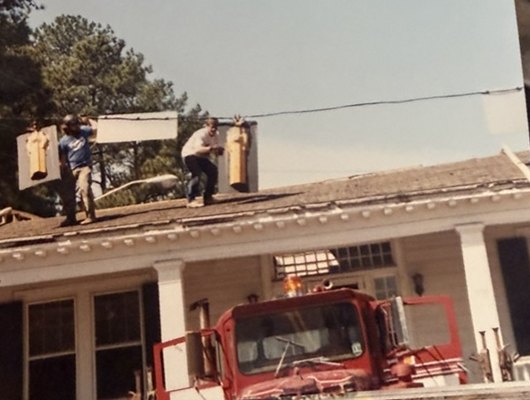
As a matter of fact, our own MacPherson House was moved to its present location in 1991 by Bill and Dawn Hester, the family we bought the home from.
For six years we've told the Hesters' story to guests at The MacPherson House, passing around these same photos from their album whenever someone asks how on earth a house this big was moved. And whenever we got overwhelmed by the surprises of restoring a century-old house, we would joke, "At least we didn't have to move it!"
So the idea of moving a house doesn't sound outrageous to us. We know how a moved house works from the inside out, and we speak old house. Most importantly, we own a buildable lot right next door to The MacPherson House that fits Halebron within its setbacks and keeps the historic feel of our National Register historic district.
When the chance came to save one of Fayetteville's oldest houses, we knew we had to step up.
Katy and Michael Stevick, The MacPherson House
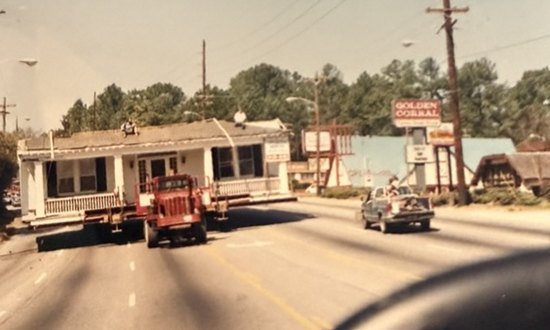
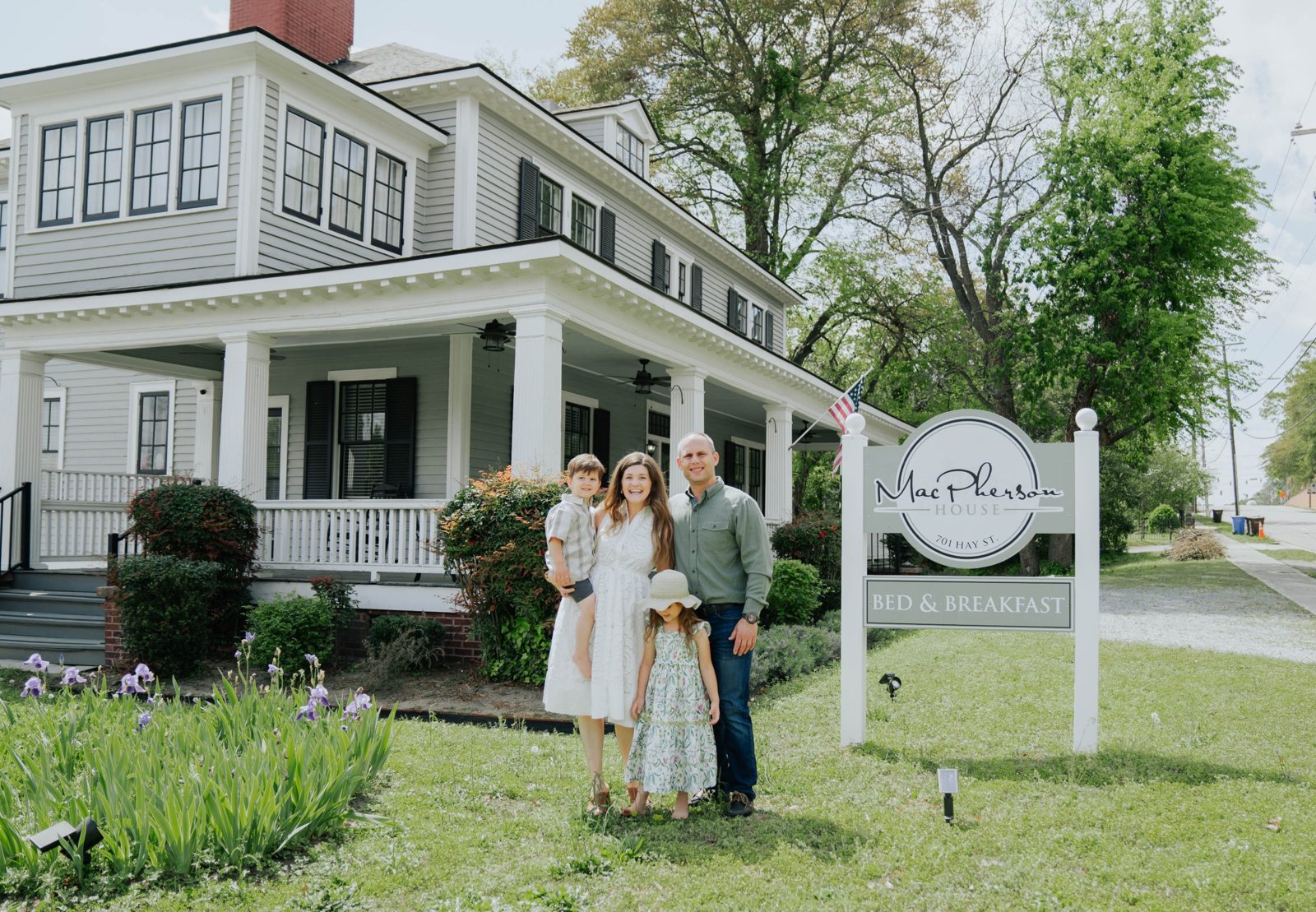
The MacPherson House, after
A moved house can be beautiful again.
We are an active duty military family. We moved to Fayetteville in 2013, found The MacPherson House in 2019, and renovated it through the pandemic to open the inn in October 2020. Today it welcomes travelers, military families and neighbors, and Halebron will be its new next-door neighbor.
Help move the house
Twenty-nine utility lines stand between Halebron and its new home.
While the roof will be removed to travel below the power lines, every phone and internet line on the route has to be lifted, lowered or cut so the house can pass. Your gift goes to that work, and the more we raise, the more of the original house travels in one piece.
Our cost estimate from Brightspeed is $55-60,000
Spectrum: awaiting estimate
Metronet: awaiting estimate
PWC: awaiting estimate
We've committed $125,000 of our own money to moving Halebron.
It isn't that the house isn't worth it. Conventional lending wasn't designed for an eleventh-hour house move: banks won't lend on a house until it's sitting on its new foundation, so everything before that has to be paid up front. Before we ever get to electrical and plumbing, Halebron needs a cleared lot, a new foundation, a new roof and a new heating and cooling system. That's where you come in.
$1,220 raised of $60,000. Every gift moves the house a little farther down Hay Street. Updated October 14.
A handwritten note from Katy.
An invitation to a hard-hat tour.
Your name on the dedication stone.
Name a room in the restored house.
Each level includes the thank-yous of the levels before it. Can't give right now? Sharing this page helps just as much.
Thinking bigger? If you'd like to talk about a larger gift, a matching challenge, or another way to partner on saving Halebron, email Katy at katy@macphersonhouse.com.
Have time instead of money?
We need volunteers, skilled and unskilled. Carpenters and tradespeople, haulers and cleanup crews, photographers, writers, and anyone happy to lend a hand on move day.
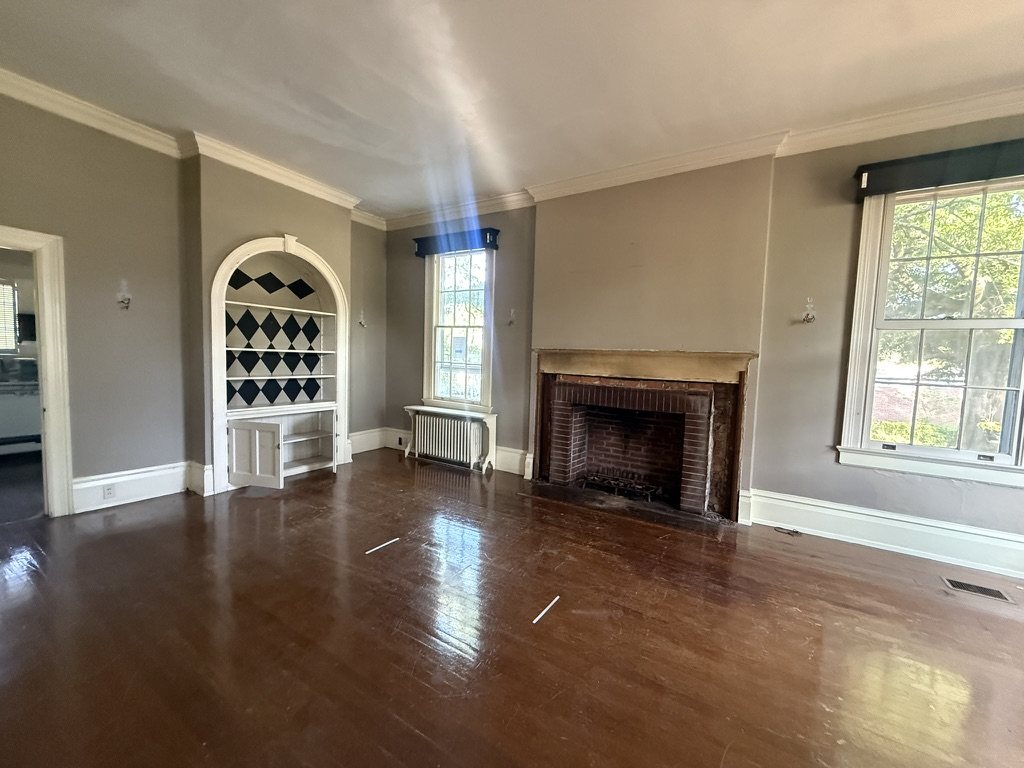
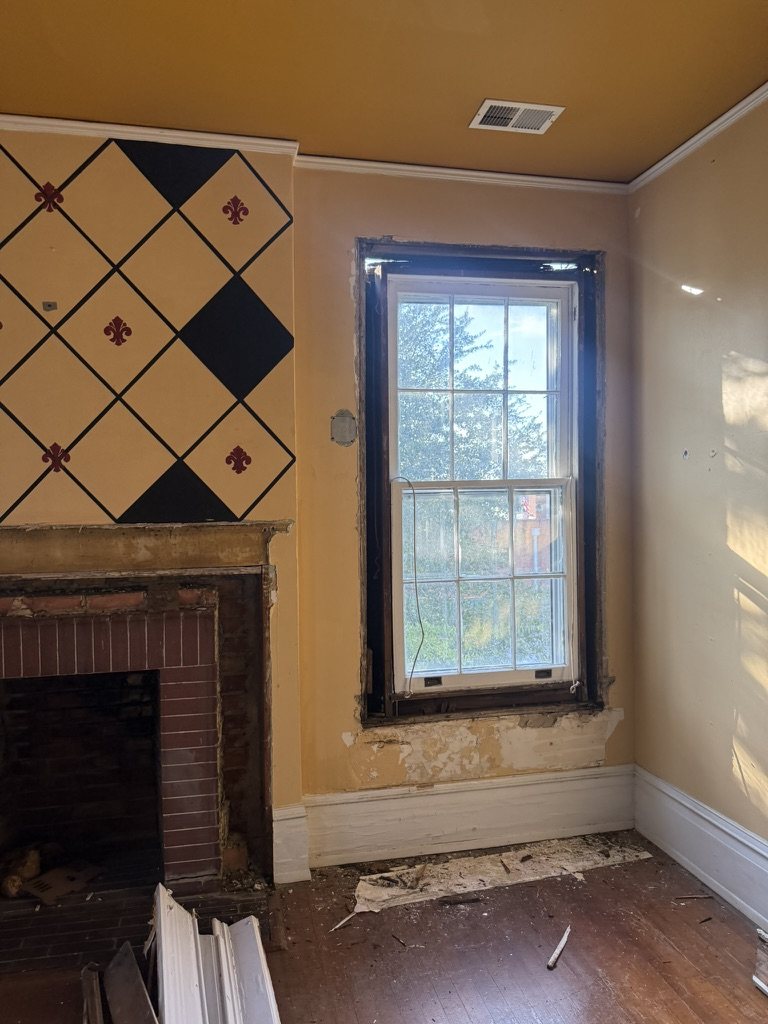
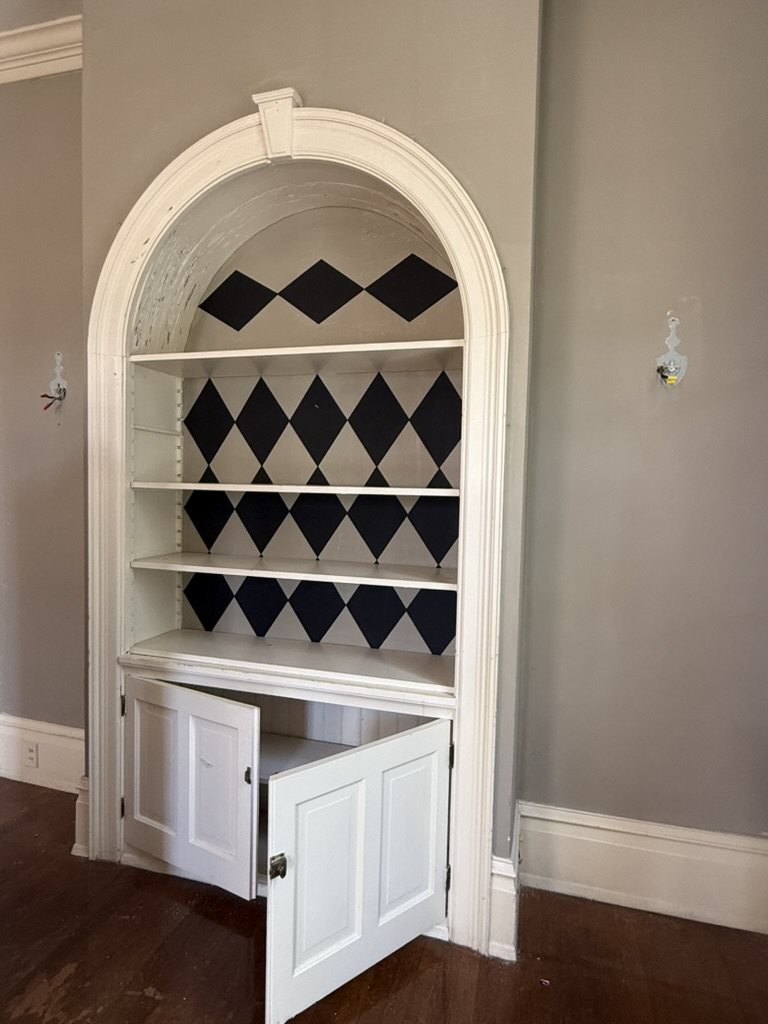
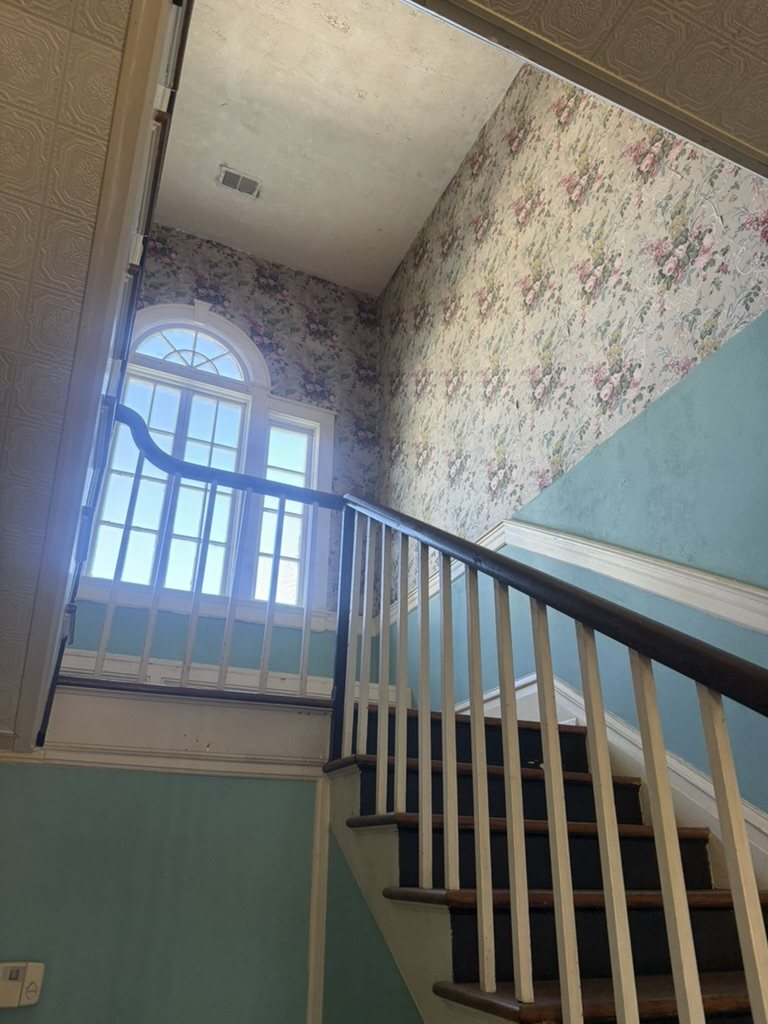
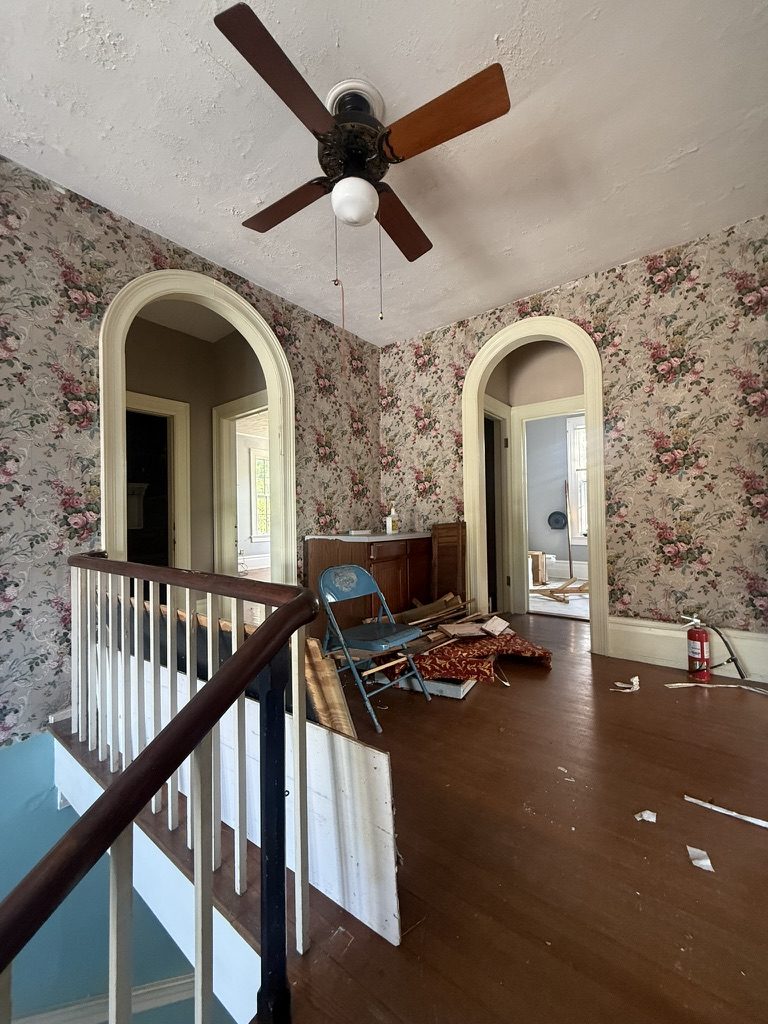
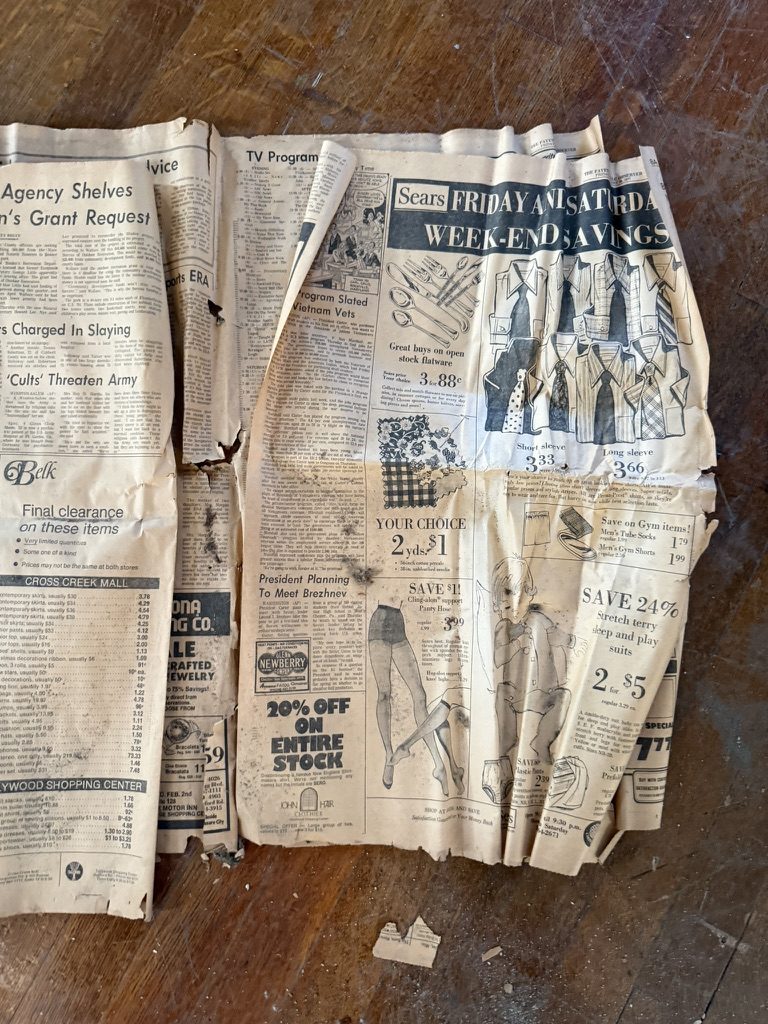
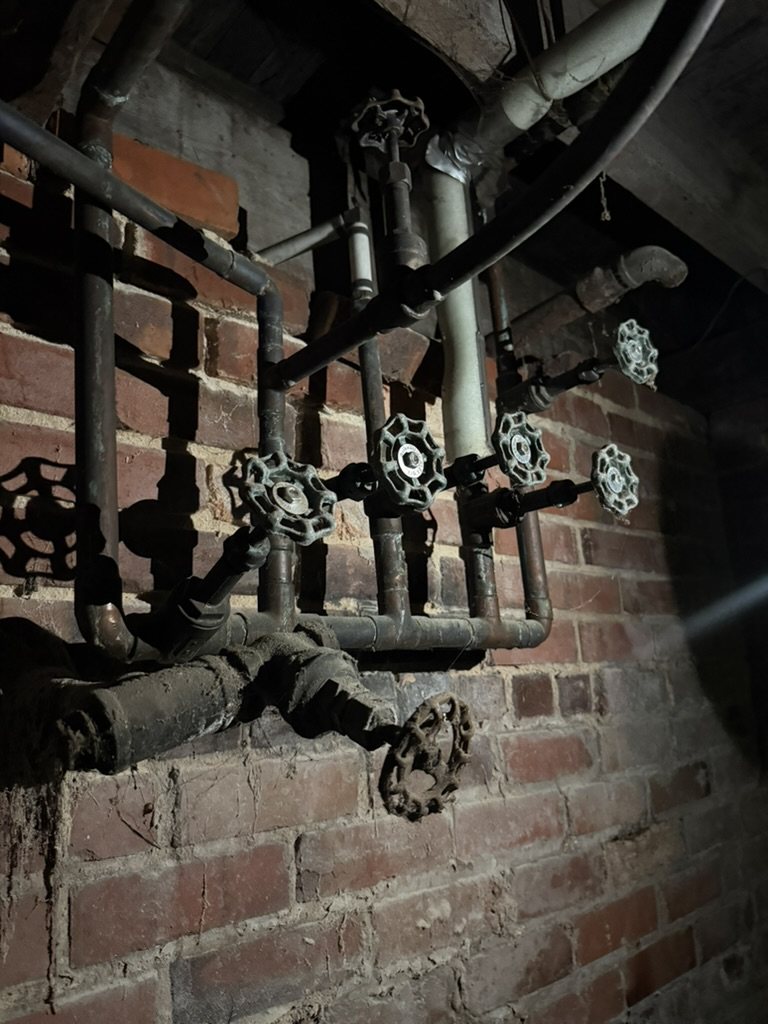
Inside Halebron
This is what we're working to save.
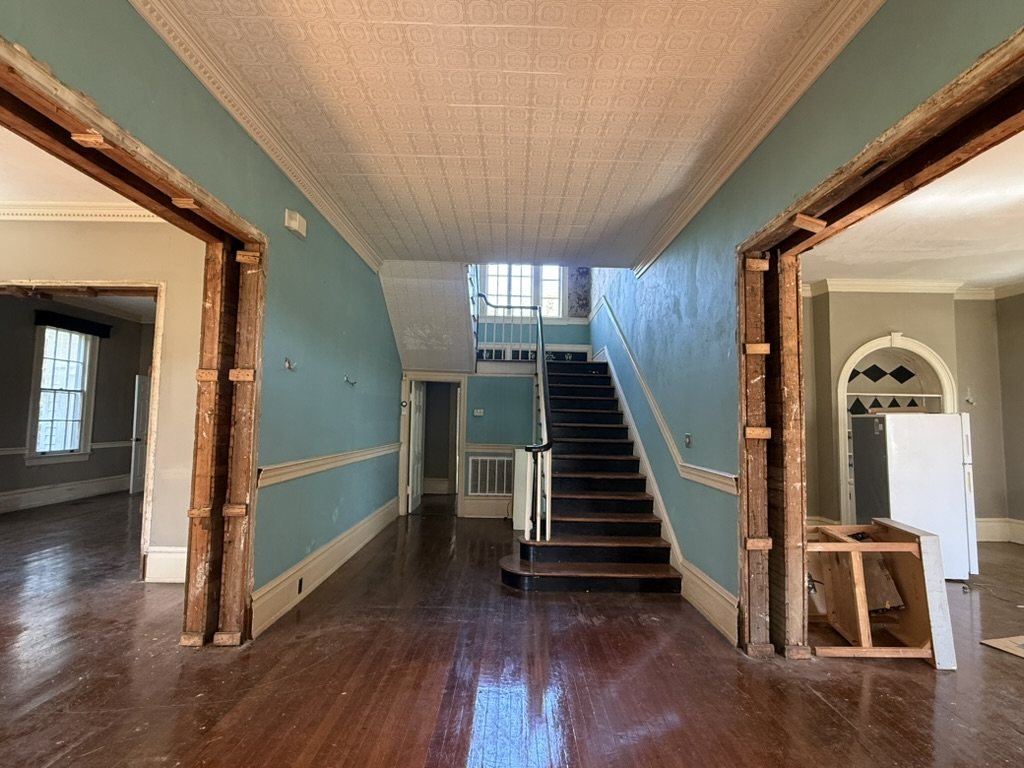
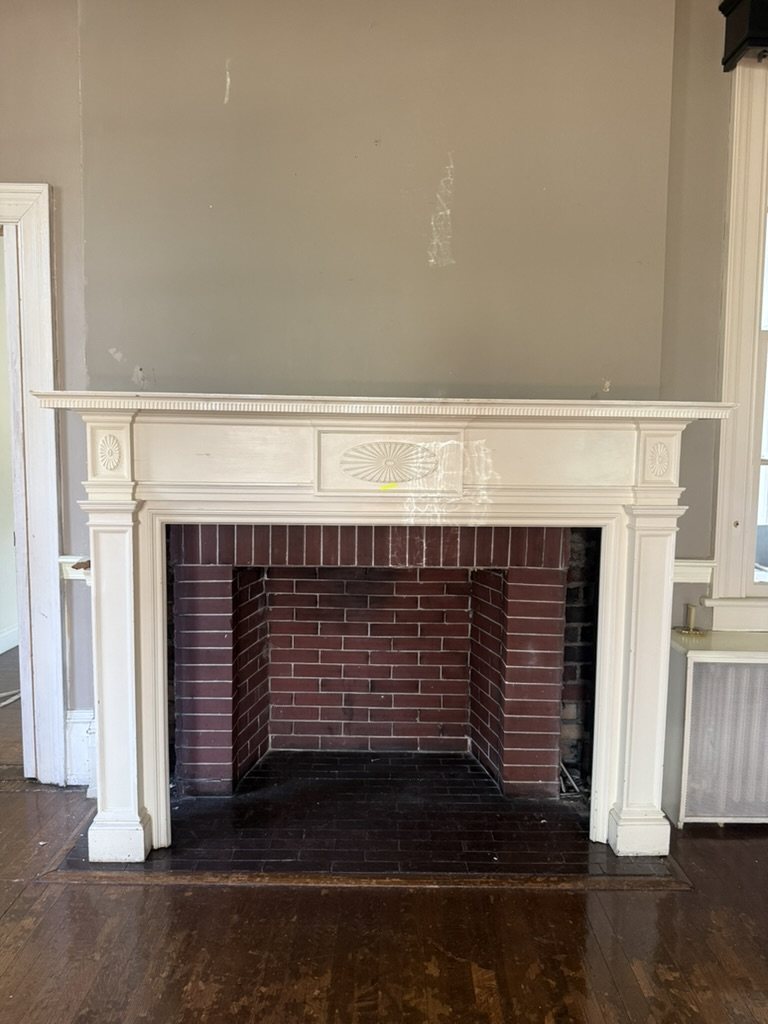
The clock
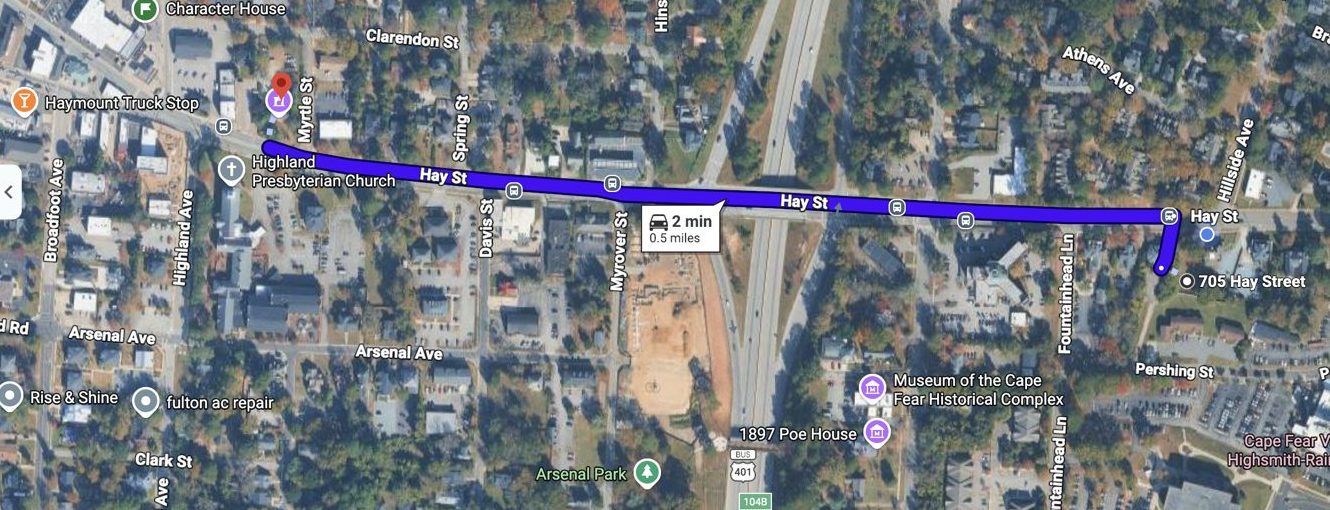
Five blocks, half a mile, and not much time.
The Cape Fear Regional Theatre needs this lot for its expansion, and it offered the house free to anyone willing to move it. We said yes. Our plan goes before the Historic Resources Commission on October 27, and we will post the move date here the moment we have it.
As the theater builds its Act 2, Halebron is getting a second act of its own.
How it will move
We plan to save Halebron either way. The question is how much of it rides intact.
Twenty-nine power, phone, and internet lines cross the route. Lifting them all lets the house travel whole. If we cannot raise that money in time, our plan is to move the house in more pieces.
Option 1 · Best for the house
Both stories ride together.
The roof comes off so the house clears the lines, and the first and second floors travel down Hay Street as one piece. Original plaster, framing, and trim stay where they have been for 180 years.
Option 2 · Our fallback
The first floor rides, the second is rebuilt.
The first floor still moves intact. The second story is taken apart wall by wall and put back together at its new home. It carries far more risk and loses more of the original house, but it still gives Halebron a future.
Why there's a public hearing
Where Halebron stands today, nothing protects it.
Many people assume all of Haymount is a historic district. It isn't. The National Register historic district covers the slope of Haymount Hill, where The MacPherson House sits. The top of the hill, where Halebron stands and what most people call Haymount today, is not in a historic district. That is why there was nothing to stop the house from being demolished.
Moving Halebron into the district means it has to meet the district's standards. We have submitted a Major Works Certificate of Appropriateness application to the city's Historic Resources Commission, and the commission will hear it at a public meeting on October 27. That is what the "Public Hearing" sign is about.
Today
Top of Haymount Hill
1104 Hay Street. Outside any historic district, with no protection from demolition.
Its new home
Inside the historic district
705 Hay Street, next door to The MacPherson House, where it joins a National Register historic district.
Our north star
Save every original piece we possibly can.
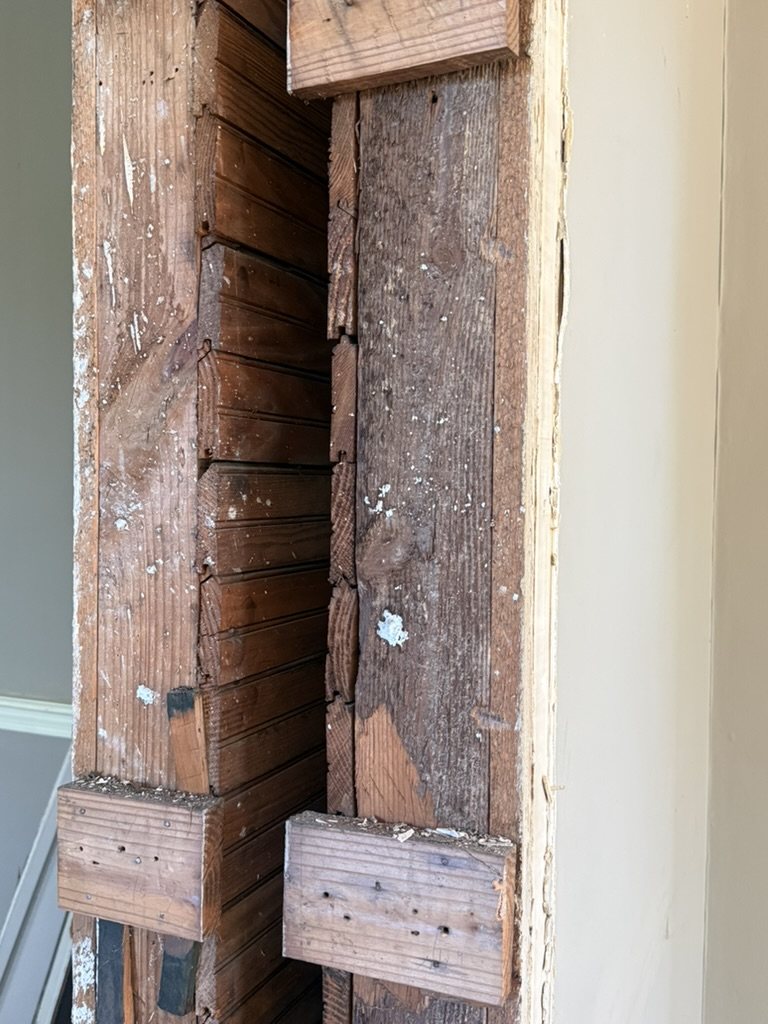
Everything our team does is measured against one North Star: preserving the original elements of this house. Where a sacrifice has to be made, like taking off the roof to pass under the power lines, we will salvage the historic materials so they can be reused by us or by someone else restoring an old house.
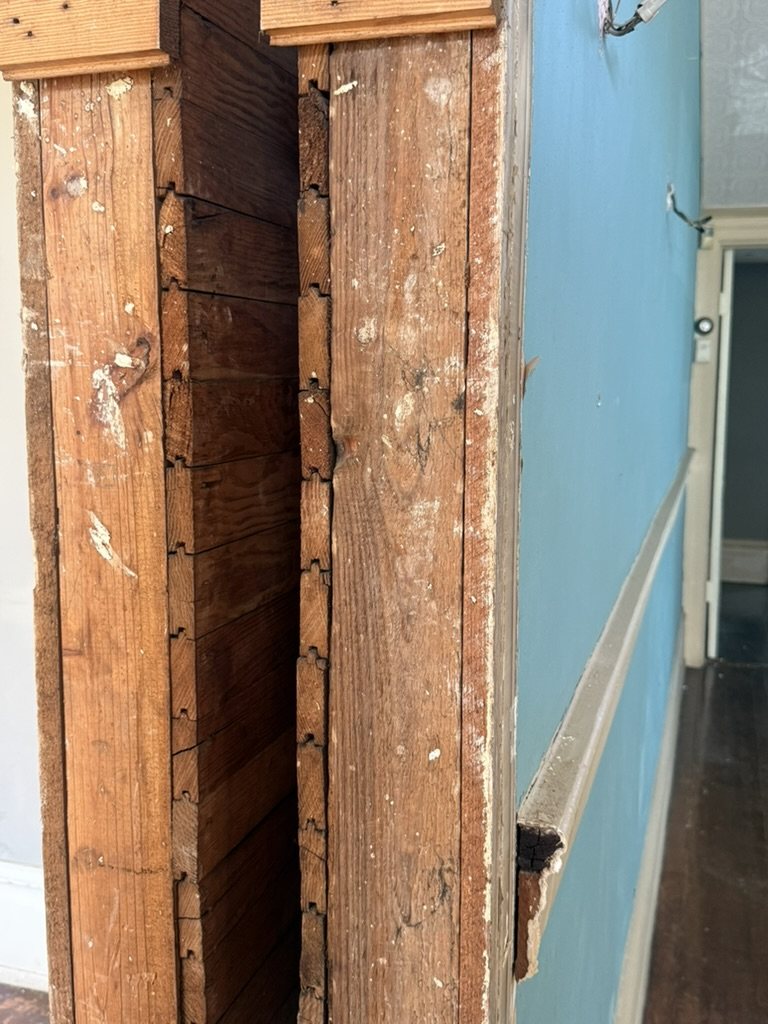
Old wood is worth the trouble. Lumber from 1840 came from slow-grown trees with tight growth rings, which makes it stronger and more rot-resistant than anything you can buy today, and it cannot be replaced once it is gone. Here is why preservationists fight to keep it.
Bigger than one house
Fayetteville should be a destination for people who love history.
We already have the bones. North Carolina's History Center on the Civil War is rising at Arsenal Park, and Haymount's streets are lined with homes that have watched two centuries go by. Every old house we lose makes that story a little thinner. Every one we save gives visitors another reason to stay the weekend, and gives Fayetteville another reason to be proud of what it kept.
Save the house
Get Halebron safely down Hay Street with as much of it intact as possible.
Show the city we care
When the city and the utility companies see how many neighbors want this house saved, saying yes gets a lot easier.
Rebuild a preservation community
Fayetteville lost its historic foundation in 2019. The people rallying around Halebron can be the start of the next one.
Remember Belmont Village?
If you have a memory of this house, you are part of its history.
I first walked into Belmont Village for an FRG coffee as a young military spouse, brand new to Fayetteville. Maybe you had your bridal shower in the front parlor, bought a basket in one of the little shops upstairs, or met a friend there for lunch on a Tuesday. Those memories belong to this house as much as its floors and fireplaces do.
Send us your stories and your photos. We will share them as the house makes its way down Hay Street, and we want them to live with Halebron in its new home.
Stay involved
Join the preservationists.
Sign up for news on the hearing, move day and hard-hat tours. We are building a circle of neighbors who will show up for Halebron and for the next old house, too. Sharing this page, posting a memory of Belmont Village, and telling your council member you want this house saved all help.